Correcting Politico and Drudge on “Dreams From My Father”
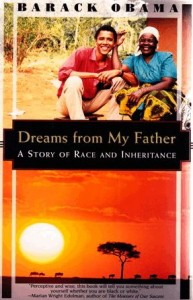 Happy to be quoted at length in this TPM story by Brian Beutler about the erroneous reporting by Politico, which mistakenly reported today that Barack Obama had failed in the earliest editions of Dreams From My Father: A Story of Race and Inheritance to acknowledge that he created composite characters in the book. I know otherwise because I published the first paperback edition of the book, in 1996, as I have written on this blog. I contacted TPM this afternoon to correct the record on the needlessly murky situation created by the false report that originated with today’s Politico story by Dylan Byers, then amplified on the Drudge Report. You may click on the TPM story or read it below.
A former executive of the original paperback publisher of President Obama’s 1995 memoir Dreams from My Father weighed in on Wednesday’s manufactured controversy over whether Obama represented fiction as fact by using composite characters in his autobiography.
“It is unfathomable to me how Dylan Byers of Politico could have overlooked the very plain disclaimer that the book carried from the very start,” Philip Turner said to TPM via email. Turner was an editorial executive with Kodansha America, which published the paperback version of Dreams from My Father in 1996.
“The reference to ‘compression’ appears on page ix of the Introduction of the book I published then, which I have on my desk as I write this message,” Turner says. “What’s more, the 1996 paperback was an exact reprint with no changes of the hardcover edition that had been published a year earlier….” (emphasis added).
The fact that Obama used composite characters in his memoir — and that he disclosed this in the book’s introduction — was widely known before it was mentioned again in an excerpt from David Maraniss’ upcoming Obama biography, published Wednesday in Vanity Fair. It even featured prominently in a 2007 story by Politico’s top political reporter Mike Allen.
But on Wednesday, Politico published a story that made no reference to the disclaimer, suggesting Obama had misled his own readers. That piece has since been appended with a correction, but still reads as an indictment of the President.
—
For the record, this is the entire comment I sent to TPM which they quote from above:

 Via the Guardian comes a lovely memorial by longtime British publisher
  This morning I met an author whose work I really admire. My breakfast mate was Jim Higdon, author of The Cornbread Mafia: A Homegrown Syndicate’s Code of Silence and the Biggest Marijuana Bust in American History, which is officially released tomorrow. I’d never met Jim, though I had a role in insuring that his book had a chance to get published. When I read the draft manuscript I wasn’t in a position to publish it myself, but I really enjoyed this gonzo true-crime narrative, and so recommended it to longtime Carroll & Graf colleague and friend, Keith Wallman, now an editor at Lyons Press. It was precisely the sort of book he and I combined to edit and prepare for publication many times, with books like David Pietrusza’s Rothstein: The Life, Times, and and Murder of the Criminal Mastermind Who Fixed the 1919 World Series; Barbara Raymond’s The Baby Thief: The Untold Story of Georgia Tann, the Baby Seller Who Corrupted Adoption; Alan Bisbort’s “When You Read This, They Will Have Killed Me”: The Life, Redemption, and Execution of Caryl Chessman, Whose Execution Shook America; and Chuck Kinder’s Last Mountain Dancer: Hard-Earned Lessons in Love, Loss, and Outlaw Honky-Tonk Life, to name only four of many dozen books we published together.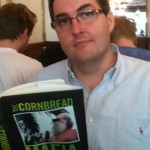
 Hiding in plain sight is confirmation in
 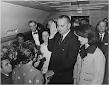 #FridayReads The New Yorker‘s excerpt from Robert Caro’s fourth volume in his long-running LBJ bio. Powerful narrative of the day JFK was killed and LBJ took office, and how this picture came to be taken by WH photographer Cecil Stoughton. As readers of this blog may recall, I’ve had opportunities to