Entries by Philip Turner

Inmate Journalists and the Truths Their Books Reveal About Prison Life

July 24 Update: Wilbert Rideau, whom I wrote about below, recently published an Op-Ed in the NY Times, “When Prisoners Protest.”
—–

As indicated by my mini-barrage of tweets yesterday, I was pleased to read in  this NY Times article that Angola Prison in Louisiana recently provided historical materials and artifacts to the Smithsonian’s National African American Museum of History & Culture, to be located on the National Mall in Washington, D.C.  Curators plan to actually rebuild a guard tower and inmate cell as an exhibit in the museum. Patricia Cohen’s story also examines Angola’s fraught racial history, in which it served as a kind of instrument for Jim Crow-era justice. More recently, prison officials have shown a willingness to let its record be examined, certainly more than similar penal institutions, opening a museum just outside their gates and working with the Smithsonian. I know about Angola Prison because inmates there publish an excellent newspaper called The Angolite that has won national media awards. Its editor-in-chief was Wilbert Rideau, an Angola inmate whose first trial led to a conviction and death sentence for his role in a robbery that led to the death of a bank teller. He spent eleven years on Death Row. In subsequent trials his capital sentence was reduced to life in prison. In 1975 he began working on The Angolite. In 1992, he and fellow inmate editor Rob Wikberg published Life Sentences: Rage and Survival Behind Bars with Times Books at Random House, where I began working five years later, in ’97.AngolaLife Sentences back cover

One of the first titles I acquired after arriving at Times Books–a book to which William Styron would then contribute a powerful Introduction–was Dead Run: The Shocking Story of Dennis Stockton & Life on Death Row by Joe Jackson and William F. Burke. Protagonist Stockton was a convict on Death Row in Virginia, who kept a diary in the run-up to the mass escape of six fellow inmates. His diary became a source to Dead Run co-author Burke, then a reporter at the Norfolk Virginian-Pilot. Thus, Stockton became a kind of inmate journalist, or as is said now, a citizen journalist. Because Life Sentences, drawn largely from the files and pages of the Angolite, had already sold well–I got the copy photographed below in ’97, with a copyright page which shows that even then the title had already gone through seven printings–my senior colleagues gave the nod to me acquiring Dead Run with alacrity. It received many prominent endorsements and reviews, including one in The Angolite (“Unlike other books by inmates, employees, or outsiders, Dead Run provides an authentic verified, objective view of the prison world.”). It sold pretty well in hardcover (selling about 8,000 copies) and Walker & Company published it in trade paper, with a great jacket (below). I chronicled the story of how I got Styron involved in championing the book with me in an essay I published in the BN Review, almost two years ago. The writing and publication of that personal essay led directly to my decision to create a personal blog, what became The Great Gray Bridge. The day before Halloween in 2011, I titled one of my first posts My Encounter with William Styron.Dead Run backDead Run inside frontDead Run front

In 1993 LIFE magazine had dubbed Wilbert Rideau “the most rehabilitated prisoner in America.” By then, he had already served longer than any comparable Angola inmate. He was finally released in 2005, after 44 years of incarceration, following a fourth trial in which he was judged guilty of manslaughter. His sentence on that conviction was 21 years, far less than what he’d already served.  Upon his release Rideau set out to write a memoir. Then Executive Editor with Carroll & Graf of Avalon Publishing Group, and known for publishing prison titles, I was on the submission list of possible acquiring editors for his representative, Washington D.C. attorney Robert Barnett.  Offered the opportunity to meet with Wilbert during his face-to-face publisher meetings, we did invite him to our 17th Street office in Manhattan’s Chelsea neighborhood. I recall that Wilbert came with his co-writer/partner Linda LaBranche. I found him a calm and self-possessed man, with a quick wit and an eagerness to meet my eye. I remember proudly telling Wilbert that one of the main reasons I had begun acquiring, editing, and publishing prison books, and books about miscarriages of justice, and plights of the wrongfully accused, was because of the early success of his first book, Life Sentences

We did bid for the rights to Wilbert’s book, putting together what was for Avalon a rather aggressive offer, but it was unavailing. Knopf got the book and in 2010 they published In the Place of Justice: A Story of Punishment and Deliverance. I see that it’s available in trade paper, ebook, etc., and got great reviews. Next to the cover is a photo of Wilbert flanked by Robert Barnett and Ted Koppel. Other important works that Wilbert has created, or cooperated in the creation of, include “The Farm,” for which he was co-director, and independent radio producer David Isay’s portrait, “Tossing Away the Keys.”In the Place of Justice Rideau, Barnett, Koppel

Please note: All the book links in this blog post are live and go to the website of Powell’s Books in Portland, Oregon, if you want to buy Life SentencesDead Run, or In Place of Justice. Under an arrangement I’ve made with Powell’s they return a portion of your purchase price to help me maintain this website. 

#FridayReads, July 5–Amy Grace Loyd’s “The Affairs of Others,” & Jaime Joyce’s Longform Report, “Burn”

IMG_0733IMG_0734#FridayReads, July 5–The Affairs of Others, Amy Grace Loyd’s novel of domestic manners set in a Brooklyn widow’s small apartment house where residents become much more to her–and readers–than mere tenants. I made this part of my #FridayReads last week, and continued enjoying it this holiday week, finishing the book a couple days ago. I relished Loyd’s mesmerizing sentences, many of which begged to be read out loud, with a plot that I knew from the Editor’s Buzz panel at BEA would explore the the sensual and erotic. There was great restraint in the writing, and characters I came to really care for, like the resident of the top floor, Mr. Coughlan, a longtime ferryboat captain in NY Harbor. I have lived in a NYC apartment building for more than 20 years with lots of strange neighbors, so the subplots and side characters in the book were very real to me, and remain so having finished it. No spoiler here, but I’ll say it ends, as great works of art sometimes do, with a memorable meal. The novel by Loyd, who is the fiction editor of byliner.com, will be out in early September.

I’ve now moved on to read the timely piece of narrative nonfiction, “Burn” by reporter Jaime Joyce. It’s on the 1990 Dude Fire in Arizona, where professional firefighters and inmates from a nearby prison risked their lives in confronting the dangerous blaze. “Burn” is published on a new website collecting longform journalism called The Big Roundtable, where I am a reader participating in their process of selecting new stories.  The Big Roundtable is the brainchild, in part, of Michael Shapiro, a professor at the Columbia Graduate School of Journalism, and an author whose book, Solomon’s Sword: Two Families and the Children the State Took Away, I edited some years ago.

Celebrating Canada Day by Recalling My Canadian Vacations

To celebrate Canada Day, I’ve scanned two photos I took during Canadian road trips some years ago, and posted them here. The lefthand image is from Peggy’s Cove, Nova Scotia, from when I was there in 1988. The other is of Roche Percé, the amazing pierced rock, from a visit to Quebec’s Gaspé Peninsula earlier in the ’80s. These were just two of the many vacations I’ve enjoyed in Canada, from Gros Morne National Park on the west coast of Newfoundland to the Cabot Trail on Cape Breton Island, to the Saguenay fjord in Quebec, to Niagara-in-the-Lake in Ontario, countless visits to Toronto, and an unforgettable train journey across the country that began in Vancouver. I say Happy Birthday to all my precious Canadian friends–you live in a very beautiful country, always close to my heart! Canada DayCanada Day 3

Tweets on KeystoneXL & Canada w/a Touch of Humor

Motown to Def Jam, a Quartet of Harlem Art Openings

Kyle and I had a great time this past Tuesday at a group exhibition where she showed a new painting of hers, “Brick by Brick.” The reception was at Strivers Gardens Gallery in Harlem, one of four galleries that have held openings over the past two weeks, all part of African American Music Appreciation Month and the Harlem Art Crawl. These Motown to Def Jam exhibits have been curated by the impresario Sou L Eo. who beginning last spring asked more than forty visual artists to take inspiration from songs from major record labels (Motown, Stax, Chess, Def Jam, etc.) that over the past several decades have fueled African American music, from Motown to the Philly Sound to blues to hip hop. Sou L Eo asked each artist to choose a particular song, and allow it to inform a new work for these shows. I’ve been to two of the openings by now, and have found the work consistently bold and interesting throughout.

Kyle’s song was “Let’s Clean Up the Ghetto,” a 1977 release by the Philadelphia All-Stars with Lou Rawls on the Philadelphia International Records label. While viewing at the Strivers Gardens Gallery is generally by appointment, it will be open to the public from 1-4 PM on two upcoming Saturday afternoons, July 13, and July 20. There is also a gallery talk there on July 17 from 7-9 PM. Strivers Gardens Gallery is at 300 West 135th Street between St. Nicholas & Frederick Douglass, less than a block east of the 135th Street station stop for the ‘B’ and ‘C’ subway lines. Here are some photos from the reception starting with a shot of Kyle and “Brick by Brick,” in a photo taken by artist and writer Daniel Maidman, followed by a group shot with many of the participating artists and friends, and a shot of an informational postcard. If you’re interested in seeing more of Kyle’s work, you may visit her website at http://www.kylegallup.com/.Kyle w/Brick by BrickMotown to Def JamIMG_0729


#FridayReads, June 28–Valerie Plame & Sarah Lovett’s “Blowback,” & Amy Grace Loyd’s “The Affairs of Others”

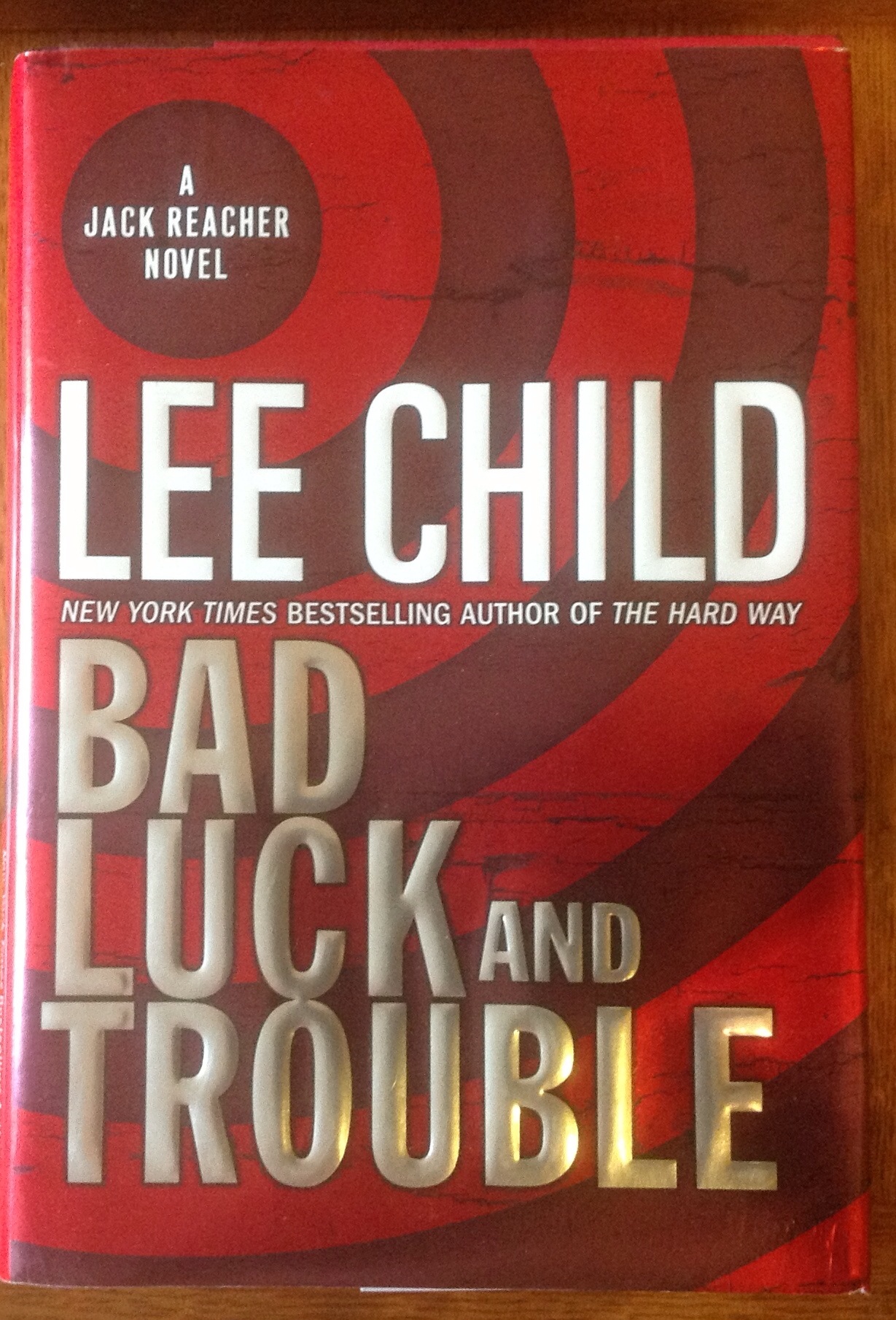
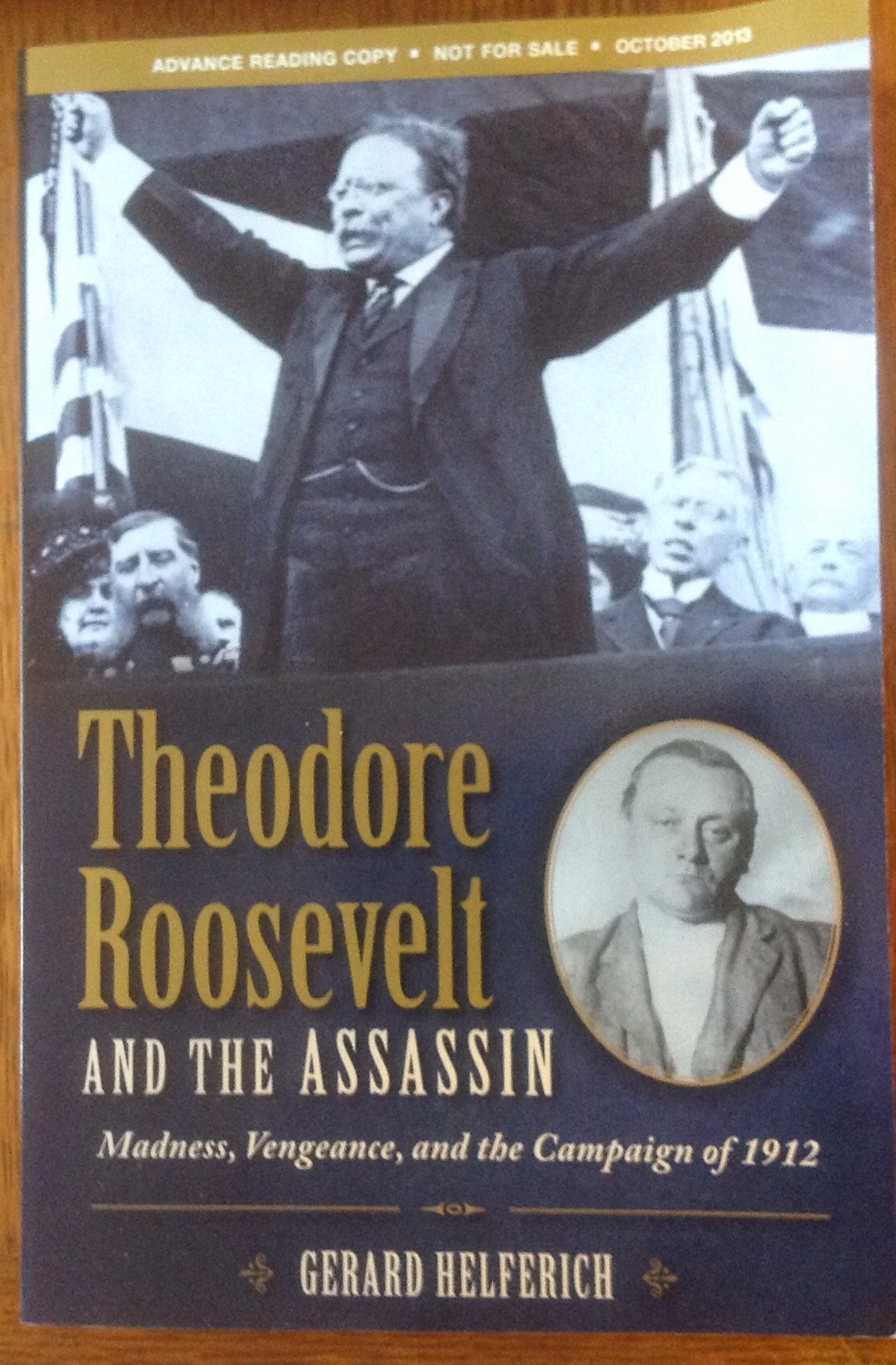
Working my way through my BEA piles for this week’s #FridayReads: Blowback by Valerie Plame & Sarah Lovett; quite a good, pacy thriller setting an American female operative amid a covert operation to apprehend a villainous underworld puppetmaster  who’s selling clandestine nukes to dangerous international players, and killing off the operative’s sources. Coming out in October from Blue Rider Press, this is Plame’s first novel, after her 2007 Fair Game: My Life as a Spy, My Betrayal by the White House. That book was heavily redacted by the Bush-era CIA, and though it had a well-reported Afterword by national security reporter Laura Rozen, the many blacked-out passages inevitably left readers in the dark. Because I had worked on her husband Ambassador Joseph Wilson’s 2003 book, The Politics of Truth: Insider the Lies that Led to War and Betrayed My Wife’s CIA Identity, which with Fair Game had formed the basis of the Naomi Watts and Sean Penn 2009 movie of the same name, I was of course interested to read Valerie’s latest book. I had hoped it would be good, and happily have found that her first thriller, written with Sarah Lovett, has an intriguing plot with lots of surprising twists and great insight in to, and empathy for, the complex and sometimes troubled lives of undercover agents, women and men. No redactions this time around!IMG_0657IMG_0656IMG_0655

Have moved on to read The Affairs of Others, Amy Grace Loyd’s novel of modern manners set in a Brooklyn widow’s apartment house, with fascinating cross-currents among her and her tenants. Elegant and smooth sentence-making, with a plot that I know from the BEA Buzz Editors’ panel presentation on the book is going to soon turn toward the sensual and erotic. Knowing that’s to come, it’s all the more notable for its restraint in the first 70 pages. It’s worth adding that I live in a New York apartment building with lots of strange neighbors, so the subplots and side characters in the book are starkly real. The novel by Loyd, who is the fiction editor of byliner.com, will be out in early September.

IMG_0660IMG_0661